Ever wondered why some slot machines seem to give you more wins than others? Or why some games just don’t feel as rewarding, no matter how much you spin? The answer often lies in a crucial term you might’ve heard tossed around: RTP, or Return to Player. If you’re playing slots in South Africa, understanding RTP is like having a secret map to better gameplay and smarter betting. So, what exactly is RTP, and how does it affect your winnings? Let’s unpack this together.
What Does RTP Mean?
At its core, RTP, which stands for Return to Player, is a fundamental concept in the world of slot machines that helps players understand the game’s payout behavior over time. It is expressed as a percentage and represents the amount of all wagered money that a slot machine is designed to return to players in the long run. This means if you were to play the slot game repeatedly, ideally over thousands or even millions of spins, the RTP would indicate the average proportion of your bets that come back to you as winnings. It’s important to keep in mind that RTP is a theoretical figure based on statistical analysis rather than a promise of individual session outcomes.
Imagine the slot machine as a magical vending machine where you put in coins and, over an extended period, it gives some of those coins back. The RTP is essentially the generosity rating of that vending machine, showing what percentage of your coins you can expect to get back on average. For instance, a machine with an RTP of 96% suggests that, on average, for every R100 wagered, R96 will be returned to players in the form of prizes. However, this doesn’t mean you’ll get exactly R96 back after betting R100 in a single session. Instead, it’s an average calculated across many players and countless spins.
What makes RTP particularly interesting is how it shapes player expectations and gameplay strategy. While it offers insight into the potential profitability of a slot game, RTP alone doesn’t predict short-term luck or winning streaks. A player could have a lucky streak and win big on a slot with a lower RTP or lose consistently on a game with a high RTP. The key takeaway is that RTP is about the long-term balance of wins and losses, helping players choose games that statistically offer better returns.
Moreover, RTP is set and tested by game developers before a slot is released to the market. Independent testing agencies verify these percentages to ensure fairness, making RTP a reliable measure for players. In regulated markets like South Africa, casinos are required to disclose RTP values, giving players transparency and the ability to make informed choices. Understanding RTP helps you see beyond the surface of flashing lights and exciting themes, allowing you to approach slots with a smarter, more strategic mindset.
How RTP Works: The Basics
- RTP is a Long-Term Statistic
Return to Player (RTP) is not something that guarantees you will win in the short term. Instead, it is a statistical average calculated over an extremely large number of spins—often millions. This means that while RTP provides an idea of how much a slot pays back over time, your experience during a short session can be very different. For example, you might play ten spins and either win a lot or lose everything, and both outcomes would still be consistent with the RTP because it reflects a long-term average rather than immediate results. Essentially, RTP smooths out the ups and downs you experience in the short term to give a big-picture view of how the game pays out. - RTP is Set by Game Developers
Every slot game is designed with a built-in RTP percentage determined by its developers. These game creators carefully calculate and set the RTP during the design phase to strike a balance between player enjoyment and the casino’s profitability. Once an RTP is established, casinos that offer the game must respect that figure, as it is a contractual part of the game software. To ensure that the RTP is fair and accurate, independent testing agencies rigorously audit and certify these values. These organizations run simulations and code inspections to verify that the slot’s payout aligns with the advertised RTP, which helps maintain trust and fairness in the industry. - RNG and RTP: A Dynamic Duo
The heart of any slot machine’s unpredictability is the Random Number Generator (RNG). This technology generates random sequences of numbers every millisecond, determining the outcome of each spin independently from the last. The RNG guarantees that every spin is fair and completely random, so you can never predict or manipulate the results. On the other hand, RTP works as the game’s built-in payout balancing mechanism. While RNG controls randomness and fairness on a spin-by-spin basis, RTP ensures that, over time, the percentage of money paid back to players remains consistent. Together, RNG and RTP create a system that is both unpredictable in the short term and statistically fair in the long term.
RTP in South African Online and Land-Based Casinos
| Platform | Typical RTP Range | Reasons for RTP Range | Player Experience Impact | Examples of Popular Games |
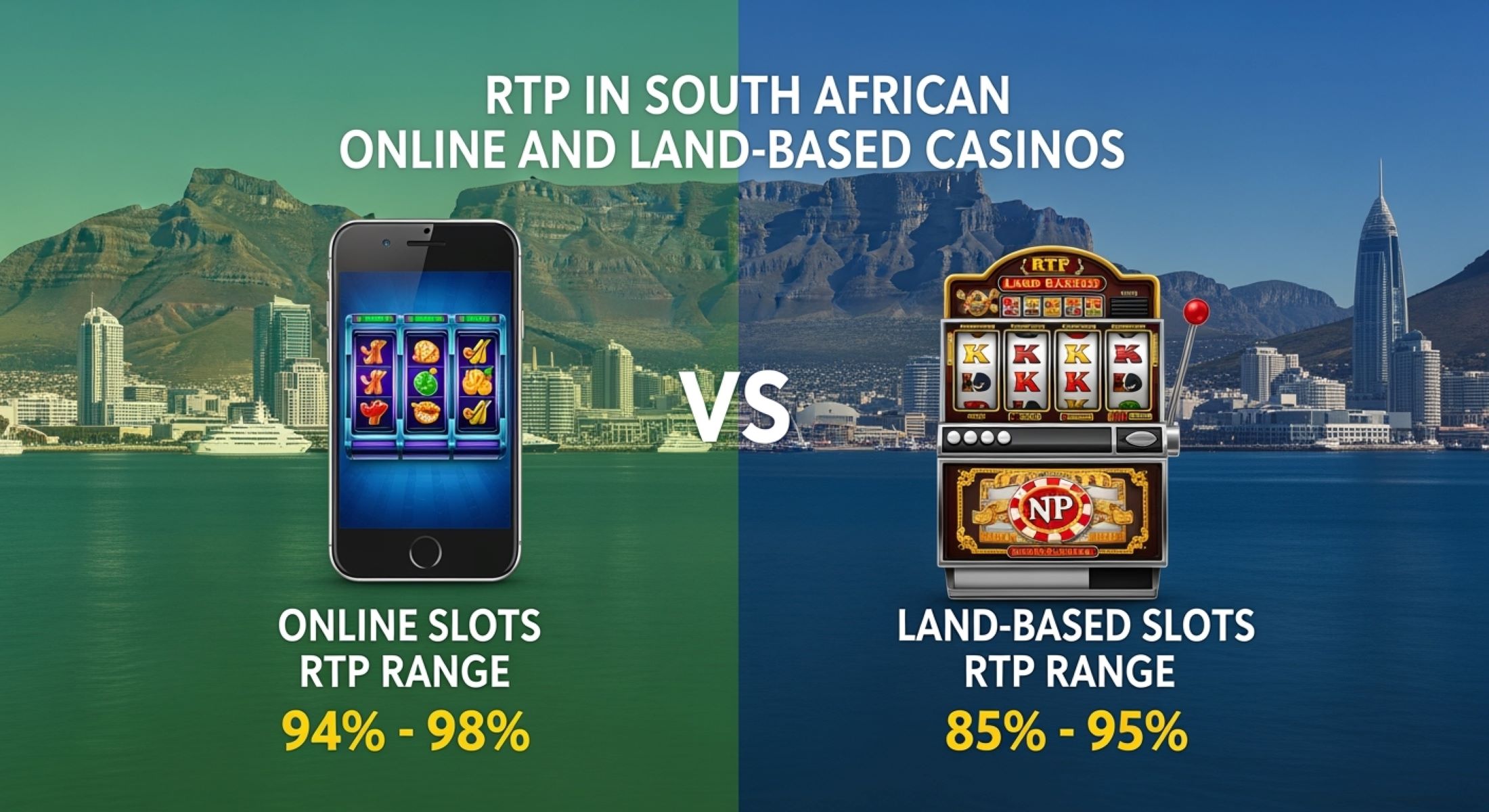
| Online Slots | 94% – 98% | Online casinos have lower overhead costs, allowing them to offer higher RTPs. Games are often developed with better payout percentages to attract players. Licensing and regulatory frameworks promote transparency. | Players generally enjoy better theoretical returns and longer play sessions. However, volatility varies widely across online slots. | Starburst (96.1%), Gonzo’s Quest (95.97%), Book of Dead (96.21%) |
| Land-Based Slots | 85% – 95% | Physical casinos have higher operating expenses like rent, staff, and maintenance, which often reflect in slightly lower RTPs. Machines may also be older or have different configurations. | Players might experience more frequent losses or shorter winning streaks. The social casino atmosphere can compensate for lower RTP with entertainment value. | Classic 3-reel slots, progressive jackpot machines like Mega Moolah (around 88-92%) |
Why RTP Matters to South African Players
When you sit down to spin the reels, the last thing you want is to feel like the odds are stacked unfairly against you. This is where understanding RTP becomes essential for South African players. RTP, or Return to Player, gives you a clear picture of how much a game is likely to pay back over time, helping you identify which slot machines are generally more generous. The higher the RTP, the better your theoretical chances of getting a return on your wagers, which can mean more enjoyable and potentially longer play sessions. It’s like choosing a route on a map — you want to take the road that’s more likely to get you to your destination without unnecessary detours.
Knowing the RTP also plays a crucial role in managing your expectations. Gambling can be thrilling but also frustrating when things don’t go your way, especially if you don’t understand the numbers behind the game. If you’re aware that a slot has an RTP of 96%, you know that statistically, the game will return 96% of all wagered money in winnings over the long run. This awareness helps you accept the natural ups and downs of the game without getting discouraged or chasing losses recklessly. In a way, RTP acts as a reality check that keeps your gameplay in balance and helps prevent emotional decisions that could lead to overspending.
Moreover, RTP can inform your overall gambling strategy even though slots are primarily games of chance. While luck determines each spin’s outcome, choosing games with higher RTP values can subtly shift the odds in your favor over time. It’s like betting on a sports team with better stats — the outcome is never guaranteed, but the chances are improved. South African players who pay attention to RTP can prioritize their bets on games that statistically offer better returns, potentially stretching their bankroll and maximizing enjoyment. RTP awareness doesn’t turn you into a winner every spin but it helps you play smarter and with greater confidence.
Finally, RTP matters because it contributes to a safer and more transparent gambling environment. In South Africa’s regulated market, players have the right to know the RTP of the games they are playing, which builds trust between the casino and its customers. When casinos openly disclose RTP values, players can make informed decisions rather than rely on guesswork or myths. This transparency also encourages responsible gaming habits and empowers players to choose games that suit their budget and playstyle. Ultimately, understanding RTP helps South African players enjoy a fairer, more enjoyable, and more controlled gaming experience.
Does a Higher RTP Guarantee You Will Win?
- RTP does not guarantee a win on any single spin or even over a short gaming session. It is a statistical average calculated over a very large number of spins—often millions. This means that in the short term, anything can happen, including long losing streaks or sudden big wins, regardless of the RTP percentage. RTP provides an expectation based on vast data but does not influence individual outcomes, which remain completely random.
- Thinking of RTP like the average rainfall over a year can help clarify its role. Just because a region receives 1,000 mm of rain annually does not mean it will rain every day or predict exactly when a downpour will happen. Similarly, RTP tells you how much the slot will pay back over an extended period but not when those payouts will occur or how they will be spaced out. Short-term results can vary wildly from the average due to randomness.
- Players often confuse RTP with the frequency of winning spins, but these are different concepts. A game with a high RTP might pay out less frequently but with bigger wins, or pay out often but in smaller amounts. The timing and size of wins fluctuate, so even a game with a top-tier RTP can feel “cold” for a stretch. Therefore, a high RTP doesn’t mean constant winning or a smooth experience.
- It’s important to remember that RTP is fixed by the game’s design and is unaffected by player behavior or bet size. You cannot change the RTP by betting more or less; it remains constant throughout the gameplay. This means that even if you place larger bets hoping to “trigger” better returns, the RTP stays the same and does not guarantee better results.
- RTP also does not predict jackpot wins or big payouts. Many progressive slots have relatively low RTPs but offer life-changing jackpots. These large prizes are rare and heavily weighted into the RTP calculation over millions of spins, so the RTP alone doesn’t reflect the likelihood of hitting these massive wins.
- In summary, RTP is a useful guide to understand the fairness and generosity of a slot in the long run but should never be mistaken for a prediction tool for short-term success. Winning on slots ultimately depends on chance, and RTP simply tells you what to expect on average if you play a huge number of spins.
The Difference Between RTP and Hit Frequency
| Term | What It Means | Why It Matters | Impact on Player Experience | Example |
| RTP | The percentage of the total wager amount that a slot machine returns to players over a long period of time, usually expressed as a percentage. | Indicates the overall generosity and fairness of the slot in the long run, helping players understand potential returns. | Players use RTP to gauge how much money they might expect back on average after extensive play, influencing game selection and bankroll management. | A slot with 96% RTP means that theoretically, R96 is returned for every R100 wagered over millions of spins. |
| Hit Frequency | The frequency or rate at which a slot machine pays out winning combinations during gameplay. It’s how often the game produces a winning spin, regardless of payout size. | Affects how often players experience wins, which can influence engagement and perceived excitement during a session. | High hit frequency results in frequent smaller wins that keep players motivated, while low hit frequency may mean bigger but rarer payouts, leading to different gameplay experiences. | A slot with 40% hit frequency pays out wins on about 40% of spins, but those wins might be low-value prizes. |
How Casinos Use RTP to Attract South African Players
Casinos, both online and land-based, recognize that transparency and fairness are critical to attracting and retaining players, especially in competitive markets like South Africa. One of the key tools they use to build trust is openly showcasing the RTP (Return to Player) of their slot games. By displaying RTP percentages clearly, casinos signal to players that they operate fairly and that the games have been tested and verified. This reassurance is particularly important for online casinos, where players can’t see the machines physically and rely heavily on trust indicators before committing their money.
Online casinos often highlight RTP values prominently on their game pages or within the game information sections. This practice allows players to quickly assess how generous a slot game might be before they start playing. Since RTP directly relates to the expected payout, displaying it helps set realistic expectations and reduces misunderstandings about the nature of slot gambling. Casinos that provide this level of transparency tend to attract more experienced and cautious players who appreciate having solid data to back their gaming choices.
Beyond the casino websites themselves, RTP information is frequently included in independent casino reviews and comparison platforms that serve South African audiences. These third-party sites analyze games and operators, often rating them based on RTP among other criteria like security, customer service, and payment options. Players looking for the best value often turn to these reviews for guidance, making RTP a major selling point for casinos aiming to stand out in a crowded market. Casinos that offer higher RTP games can leverage this as a competitive advantage in their marketing and promotions.
Finally, RTP transparency helps foster responsible gambling habits. When players understand the long-term odds through RTP figures, they are less likely to chase unrealistic wins or overextend their budgets. This sense of fairness encourages players to engage more positively with the casino, increasing both enjoyment and loyalty. South African casinos that emphasize RTP demonstrate a commitment to player protection and ethical gaming, which ultimately benefits both the operators and their customers.